MEDICAL BREAKTHROUGH: UK becomes first country to get a cure for Sickle Cell Disease. …Treatment costs £1.65M (₦3.1bn)

The National Health Service (NHS) has approved a groundbreaking £1.65 million treatment for sickle cell disease in England, offering patients a promising 96.6% cure rate.
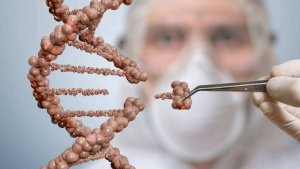
The new therapy, hailed as a major breakthrough, is expected to transform the lives of individuals battling inherited blood disorders by providing a long-term solution to the painful and life-threatening condition.
The new treatment, exa-cel, is designed for patients with severe sickle cell disease who qualify for a stem cell transplant but do not have a matched donor.
Approximately 50 patients, including older children and adults, are expected to benefit from this cutting-edge therapy each year in England.
𝐄𝐥𝐢𝐠𝐢𝐛𝐢𝐥𝐢𝐭𝐲 𝐚𝐧𝐝 𝐝𝐢𝐬𝐞𝐚𝐬𝐞 𝐩𝐫𝐞𝐯𝐚𝐥𝐞𝐧𝐜𝐞 𝐢𝐧 𝐄𝐧𝐠𝐥𝐚𝐧𝐝
According to the National Health Service (NHS) , around 17,000 people in England are living with sickle cell disease. Of those, approximately 4,000 are believed to be eligible for the new treatment.
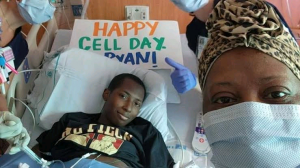
Clinical trials for exa-cel have demonstrated that the therapy can prevent painful sickle cell crises, which occur when blood vessels become blocked. Researchers found a “functional cure” in 96.6% of participants who received the treatment.
𝐎𝐯𝐞𝐫𝐜𝐨𝐦𝐢𝐧𝐠 𝐢𝐧𝐢𝐭𝐢𝐚𝐥 𝐡𝐮𝐫𝐝𝐥𝐞𝐬
Despite initial rejection by the National Institute for Health and Care Excellence (NICE) last March due to insufficient evidence, the approval now represents a major breakthrough in the treatment of sickle cell disease.
Professor Bola Owolabi, Director of the National Healthcare Inequalities Improvement Programme at NHS England, said: “This represents a monumental step forward in the treatment of people with sickle cell disorder, which is a condition that mostly affects people of Black African and Black Caribbean heritage. This groundbreaking therapy, available on the NHS, represents a very real prospect of a cure for this devastating disorder.
“The NHS remains committed to rolling out new, innovative treatments to narrow the gap in healthcare inequalities, and this cutting-edge therapy could give patients facing severe sickle cell disorder the hope of a much brighter future.”



𝐖𝐡𝐚𝐭 𝐘𝐨𝐮 𝐒𝐡𝐨𝐮𝐥𝐝 𝐊𝐧𝐨𝐰 𝐀𝐛𝐨𝐮𝐭 𝐒𝐢𝐜𝐤𝐥𝐞 𝐂𝐞𝐥𝐥 𝐀𝐧𝐚𝐞𝐦𝐢𝐚
Sickle cell disease is a pressing global health issue, particularly in Nigeria, which has the highest population of sickle cell sufferers worldwide.
🔸 Over 4.3 million Nigerians are affected, with an estimated 150,000 newborns diagnosed annually. As the epicenter of the disease, Nigeria’s public health system faces immense challenges in managing the growing burden.
🔹 Sickle cell disease causes blood cells to become crescent-shaped, restricting blood flow and leading to severe pain that may require hospitalization. It can reduce life expectancy by 20 to 30 years.
The hope for a cure through gene therapy, such as exa-cel, could have far-reaching implications for patients and healthcare systems in Nigeria, where the disease continues to pose a significant public health crisis.
UK Minister for Public Health, Andrew Gwynne, said: “People living with rare conditions like sickle cell disease face immense challenges, not least accessing tailored therapies for their symptoms.
“This groundbreaking treatment is a fantastic example of how, by harnasing the power of technology, the UK is leading the world in offering patients the latest treatments for a wide range of conditions.
“By offering a treatment that could allow patients to live a life free of debilitating illness, we will give people with conditions like sickle cell disease more freedom and independence, all whilst protecting vital NHS emergency services.”
John James OBE, Chief Executive Officer of the Sickle Cell Society, said: “We are absolutely thrilled to see this groundbreaking gene therapy treatment available on the NHS from today. The significance of this milestone for the sickle cell community cannot be understated – today’s result will give hope to many and is the result of determined campaigning.
Dr Samantha Roberts, National Institute for Health and Care Excellence chief executive, said: “Exa-cel could represent a potential cure for some people with severe sickle cell disease, freeing people from the burden of complications as well as addressing NICE’s aim of reducing health inequalities associated with the condition and getting the best care to patients fast.”