HEALTH: The causes of ACNE and how to get rid of it for smoother skin
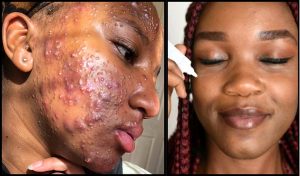
Acne is caused by a combination of increased sebum production, follicular hyperkeratinization, microbial colonization, inflammation, hormonal influences, genetic predisposition, and lifestyle factors
Acne is a common skin condition that affects millions of people worldwide. It occurs when hair follicles become clogged with oil and dead skin cells, leading to the formation of pimples, blackheads, and whiteheads. While often associated with adolescence, acne can affect individuals of all ages. Let’s explore the causes of acne, identifies who is most prone to it, and discuss the best ways to treat and manage this condition.

CAUSES OF ACNE
Acne develops due to a combination of factors:
1. Excess Oil Production: The sebaceous glands in the skin produce sebum, an oily substance that helps protect and moisturize the skin. However, excessive sebum production can clog pores, leading to acne.
2. Clogged Hair Follicles: Dead skin cells can accumulate in hair follicles, mixing with sebum and forming a plug. This plug can become infected with bacteria, resulting in inflammation and acne.
3. Bacteria: The bacterium Propionibacterium acnes (P. acnes) naturally resides on the skin. When hair follicles become clogged, P. acnes can multiply rapidly, causing inflammation and pus-filled pimples.
4. Hormonal Changes: Hormonal fluctuations, particularly during puberty, menstruation, pregnancy, and menopause, can increase sebum production and lead to acne. Androgens, a type of hormone, play a significant role in stimulating the sebaceous glands.
5. Diet and Lifestyle: Certain dietary factors, such as high-glycemic foods and dairy products, have been linked to acne. Stress and lack of sleep can also exacerbate the condition.
WHO IS PRONE TO ACNE?
Acne can affect anyone, but certain groups are more susceptible:

1. Teenagers and Young Adults: Acne is most common among teenagers and young adults due to hormonal changes during puberty. Approximately 80% of people between the ages of 11 and 30 experience acne.
2. Women: Adult women are more likely to experience acne than men, often due to hormonal fluctuations related to menstrual cycles, pregnancy, and conditions like polycystic ovary syndrome (PCOS).
3. Individuals with a Family History: Genetics play a role in acne development. If your parents had acne, you are more likely to develop it as well.
4. People with Certain Medical Conditions: Conditions such as PCOS and other hormonal disorders can increase the risk of acne.
BEST WAYS TO TREAT ACNE
Effective acne treatment often requires a combination of approaches tailored to the individual’s skin type and the severity of the condition. Here are some of the best ways to treat acne:
1. Topical Treatments: Over-the-counter (OTC) and prescription topical treatments can help reduce acne. Common ingredients include benzoyl peroxide, salicylic acid, and retinoids. These treatments work by unclogging pores, reducing inflammation, and killing bacteria.
2. Oral Medications: For moderate to severe acne, oral medications may be prescribed. These include antibiotics to reduce bacteria and inflammation, hormonal treatments such as birth control pills, and isotretinoin for severe cases.
3. Lifestyle Changes: Adopting a healthy lifestyle can help manage acne. This includes maintaining a balanced diet, staying hydrated, getting enough sleep, and managing stress.
4. Skincare Routine: A consistent skincare routine is crucial. Use gentle cleansers, avoid harsh scrubbing, and choose non-comedogenic (non-pore-clogging) products. Moisturizing is also important to maintain skin health.
5. Professional Treatments: Dermatologists can offer treatments such as chemical peels, laser therapy, and light therapy to reduce acne and improve skin texture.
6. Avoiding Triggers: Identifying and avoiding triggers that worsen acne, such as certain foods, skincare products, and environmental factors, can help manage the condition.
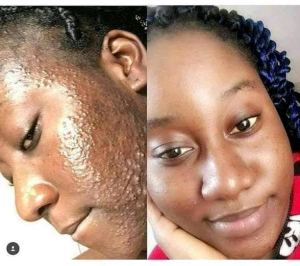
In conclusion, Acne is a multifaceted condition influenced by various factors, including genetics, hormones, and lifestyle. While it can be a persistent and sometimes distressing issue, effective treatments are available. By understanding the causes of acne and adopting a comprehensive approach to treatment, individuals can achieve clearer, healthier skin. If you struggle with acne, consulting a dermatologist can provide personalized guidance and treatment options tailored to your needs.